Get your free blackberry removal estimate today! 7789005292

The worst invader: Himalayan Blackberry
How did it get here and why is it so destructive?
4/16/20262 min read
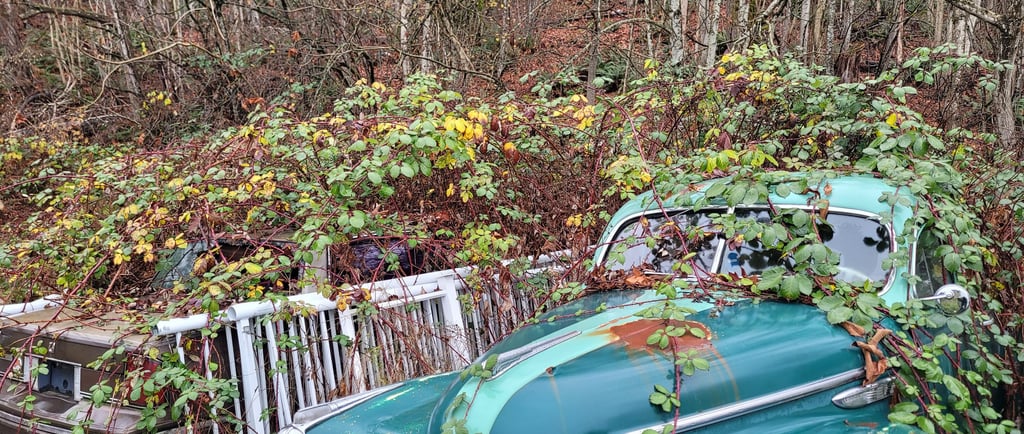
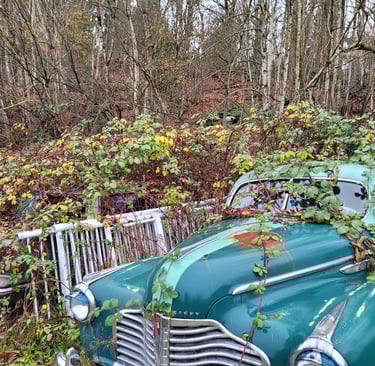
Himalayan blackberry might look like just another thorny shrub offering free summer berries, but it's widely regarded as one of the most problematic invasive species in British Columbia, especially across the Fraser Valley and Lower Mainland. Introduced to North America in the late 1800s from its native range in Armenia and northern Iran as a crop plant, it escaped cultivation and exploded in growth. Today, it's the most common invasive blackberry in BC, thriving in disturbed sites, roadsides, pastures, stream banks, forest edges, and ravines. Its rapid spread turns diverse landscapes into dense, impenetrable thickets that few other plants can compete with.
What makes it so destructive ecologically? Himalayan blackberry outcompetes native vegetation by shading them out, building up leaf litter and dead canes, and preventing the establishment of shade-intolerant trees and shrubs, as can be seen in our before and after photos. In riparian zones along the Fraser River and its tributaries, thickets degrade habitat quality, increase erosion and flooding risks by replacing deep-rooted native plants that stabilize banks, and limit wildlife movement—including large animals and birds. Biodiversity plummets as it creates low-diversity monocultures, reducing food and cover for pollinators, songbirds, and other species. While it provides some limited berries and shelter, it's poorer habitat overall compared to native options like salmonberry or Nootka rose. In sensitive areas, it even contributes to issues like blocking access to culturally important plants for Indigenous communities and harboring pests that affect agriculture.
In the Fraser Valley—from Abbotsford's farmlands and Chilliwack's pastures to Surrey's ditches and New Westminster's ravines—this invader dominates because of its aggressive reproduction: up to 13,000 seeds per square meter, dispersal by birds and animals, and vegetative spread where cane tips root to form new plants. Seeds stay viable in soil for years, and stems can grow 3 meters tall and 12 meters long with vicious prickles. It's listed as a priority invasive in BC, costing millions in control efforts and impacting everything from recreation (blocked trails, scratched skin) to ecosystems (reduced salmon habitat quality through altered riparian zones). At Blackberry Removal Experts, we see the damage daily—properties swallowed by thorns, lost usable space, and native greenery pushed out. Our chemical-free mechanical cutting and full debris haul-away stops the spread efficiently, preventing further takeover. Don't let this "worst offender" win. Contact us for a free quote and reclaim your land in the Fraser Valley before it gets worse.
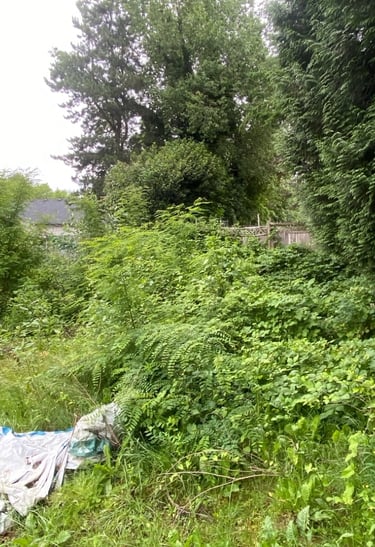
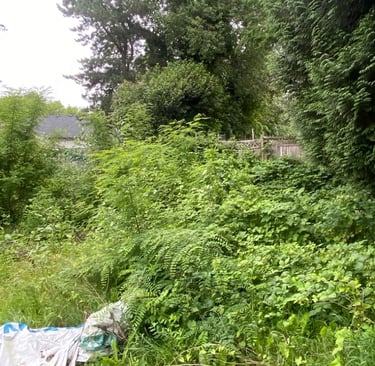
Contact
Fast blackberry removal, no chemicals used
Call
© 2025. All rights reserved. Big Phil's Rubbish Removal LTD DBA Blackberry removal Experts.
Call
watch for deals on
And info on