Get your free blackberry removal estimate today! 7789008787

How Himalayan blackberry harms our wildlife
Himalayan blackberry does more harm than good for local wildlife
5/7/20262 min read
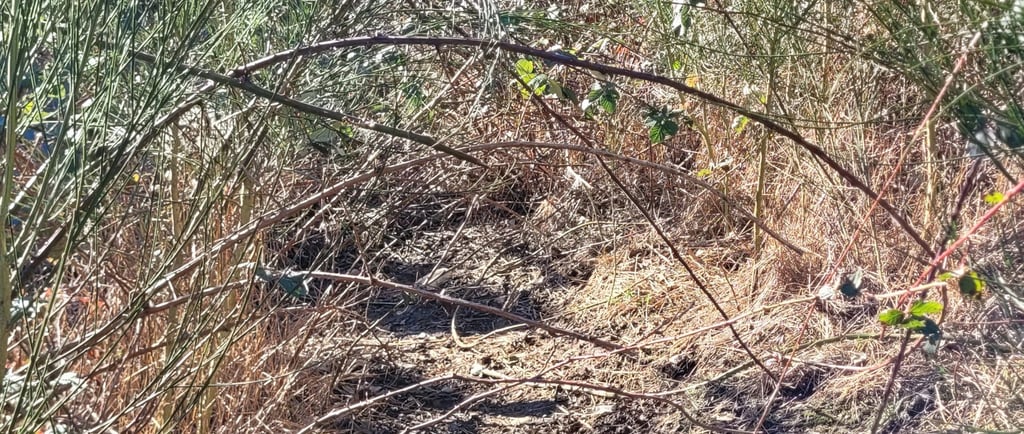
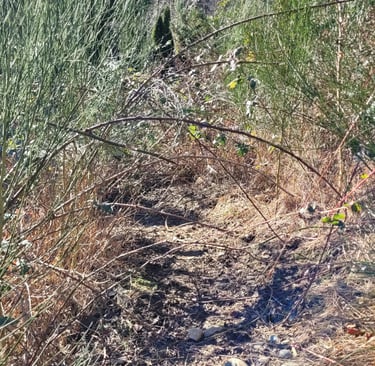
Himalayan blackberry (*Rubus armeniacus*) might seem like a generous provider of berries for birds and small mammals, but its dominance in the Lower Mainland and Fraser Valley comes at a steep cost to local wildlife and biodiversity. This aggressive invasive quickly forms dense, thorny thickets that smother native plants, creating low-diversity monocultures where few other species can survive. In ecosystems from Surrey’s greenbelts and Abbotsford’s farmlands to Chilliwack’s river valleys, New Westminster’s ravines, and Pitt Meadows’ wetlands, blackberry outcompetes important native shrubs like salmonberry, thimbleberry, red-osier dogwood, and Nootka rose—plants that provide higher-quality food, better cover, and seasonal variety for wildlife.
Pollinators suffer particularly hard. Native bees, butterflies, and hoverflies rely on a diversity of blooming plants throughout the growing season. Himalayan blackberry offers a short burst of flowers in late spring to early summer, but once it takes over, it crowds out earlier and later bloomers, reducing the overall nectar and pollen supply. This loss of floral diversity can stress pollinator populations already challenged by habitat fragmentation and other pressures in urbanizing areas like Maple Ridge, Port Moody, and Mission.
Birds and small mammals face habitat degradation too. While some species eat the berries or use the thickets for cover, the dense structure often limits movement and access to ground-level foraging. Songbirds that prefer open understory or native berry-producing plants find fewer nesting sites and food options. Larger animals, including deer, struggle to navigate or browse in impenetrable bramble walls. In riparian zones along the Fraser River, Vedder River, Pitt River, and smaller creeks, blackberry thickets replace deep-rooted natives that stabilize banks and provide woody debris for fish habitat. Reduced shade and altered water temperatures harm salmon fry and other aquatic species, while increased erosion from lost bank vegetation affects spawning grounds.
At Blackberry Removal Experts, we witness this impact firsthand: properties that were once diverse with native greenery become silent, thorn-choked fortresses. Our chemical-free mechanical approach—cutting thickets to ground level and hauling away all debris—helps break the cycle of dominance. By clearing the overgrowth, we open space for native plants to recover naturally or for landowners to encourage biodiversity through simple monitoring and light management. Protecting wildlife and restoring ecological balance starts with removing the invader that’s crowding everything else out.


Contact
Fast blackberry removal, no chemicals used
Call
© 2025. All rights reserved. Big Phil's Rubbish Removal LTD DBA Blackberry removal Experts.
Call
watch for deals on
And info on