Get your free blackberry removal estimate today! 7789008787

5 Hazards of Blackberry Canes
A few facts about blackberry plants you may not know
1/15/20262 min read
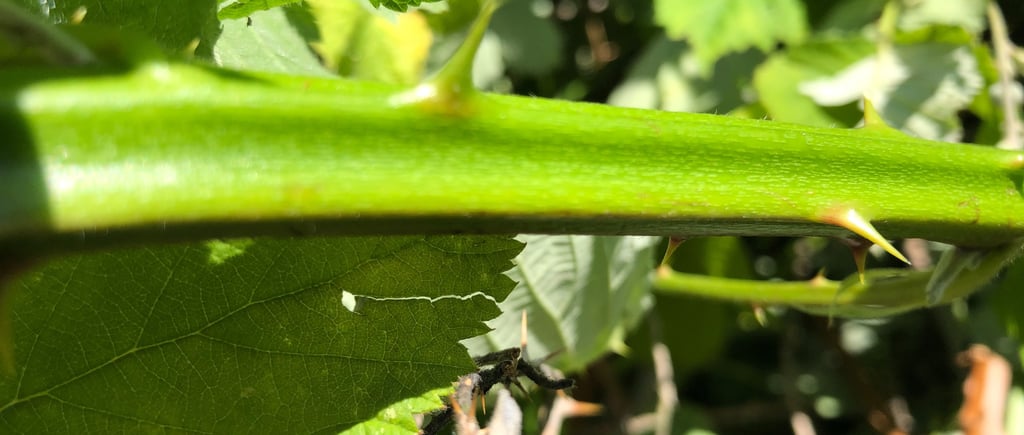
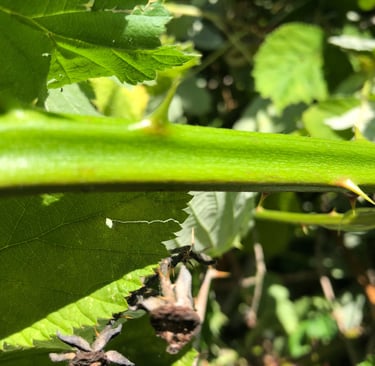
Blackberries
Blackberry canes are often appreciated for their sweet, juicy fruit; however, they are not without risks. While many people enjoy foraging for blackberries in the wild, it is essential to be aware of some of the hazards associated with these thorny plants and why we don't want them in our yards. Below, we present five lesser-known facts about the dangers posed by blackberry canes.
1. Sharp Thorns can Cause Injury
Blackberry canes are notorious for their sharp thorns. These thorns can easily cause cuts and abrasions when one attempts to harvest the fruit or when they are left to grow out of control. Although this may seem obvious, what is not is that a puncture wound might seem minor, but it can lead to more severe infections if not properly treated.
2. Allergic Reactions are Possible
It not only hurts to be cut by a blackberry thorn, some individuals may experience allergic reactions from handling blackberry canes. The thorns can harbor allergens that, when deposited on the skin, can trigger rashes, irritation, or more severe skin reactions in sensitive individuals. A professional is highly recommended for removal of the canes.
3. Invasive Growth Patterns
Blackberry canes can spread rapidly, leading to their classification as an invasive species in many regions. Their aggressive growth can overtake natural vegetation, displacing native species and disrupting local ecosystems, a common problem for Mission residents. This can lead to long-term environmental hazards.
4. Potential for
Pests and Disease
Blackberry canes can attract a variety of pests, including aphids, spider mites, and fruit flies. And although they are not categorised as pests, bears are very attracted to blackberries and are quite a nuisance. These pests not only damage the canes themselves but can also affect nearby plants. Additionally, certain diseases can be spread from infected plants, posing a risk to gardens and farms.
5. Difficulty in Control and Maintenance
Once established, managing blackberry canes becomes challenging. Their resilient nature means they can be difficult to remove. An expert can manage the blackberries with much less challenges, as they have all the knowledge, experience and all the right tools.
Conclusion
While blackberry canes may offer delectable fruit, they also present a variety of hazards that should not be overlooked. Familiarizing oneself with these dangers can enhance safety during foraging and help in managing their presence in cultivated landscapes. Contact us for help in keeping your yard blackberry free.
Contact
Fast blackberry removal, no chemicals used
Call
© 2025. All rights reserved. Big Phil's Rubbish Removal LTD DBA Blackberry removal Experts.
Call
watch for deals on
And info on